Gateway Pharmacy and Sarhaddi Pharmaceutical Inc. are aware of fraudulent emails
and websites falsely offering employment opportunities in our name.
We never request payment from applicants. If you receive suspicious communications claiming
to represent our company, please contact us directly to verify authenticity.

Get Healthy!
- Posted February 24, 2026
Cervical Cancer Rates Plummet Among States With High HPV Vaccination Rates
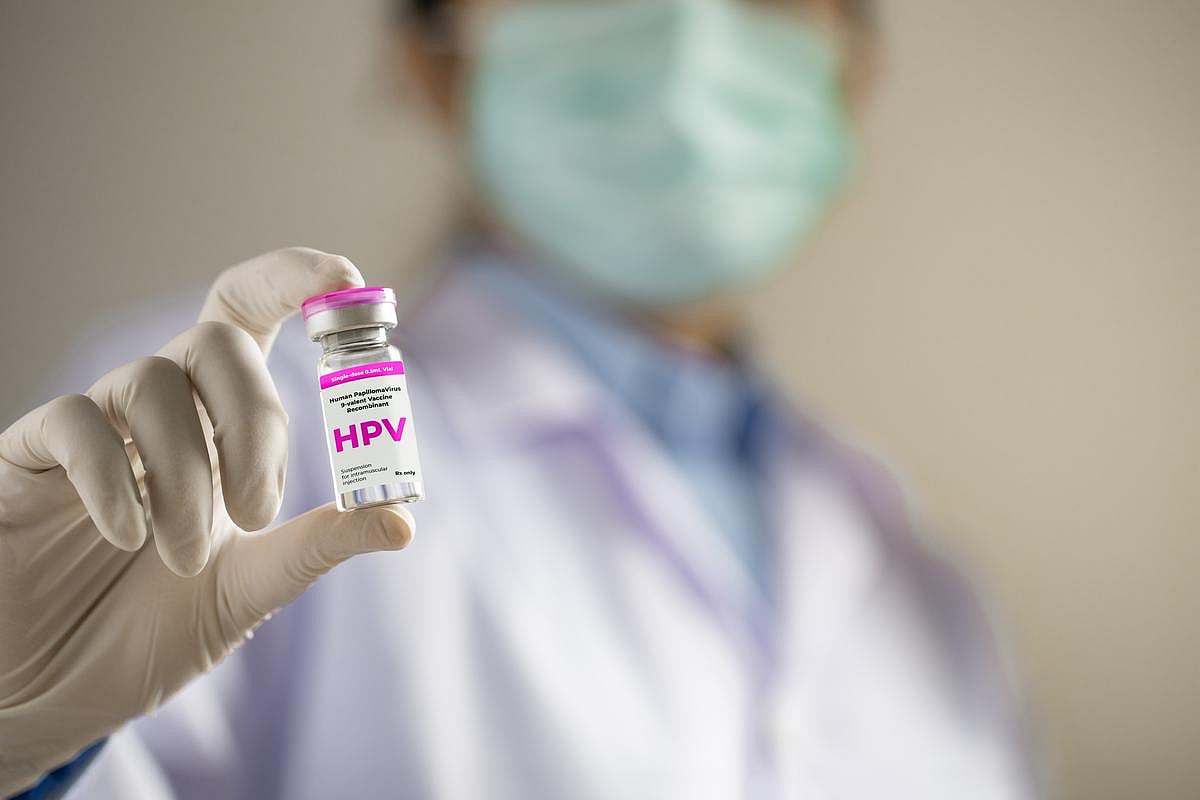
Cervical cancer rates are plummeting in states with higher rates of HPV vaccination, a new study reports.
Overall, cervical cancers have declined by 27% among young women in the years since the human papillomavirus (HPV) vaccine became available in the United States, researchers report in the Journal of the National Cancer Institute.
But reductions exceeded 50% in some areas with higher vaccination rates, researchers found.
Overall, every 10% increase in vaccination rates is associated with a nearly 12% lower risk of cervical cancer among young women, researchers concluded.
“Our study provides further evidence that the benefits of one of the most effective and highly affordable cancer prevention measures remain unevenly distributed across states,” said senior researcher Hyuna Sung, a senior principal scientist in cancer surveillance research at the American Cancer Society.
“Persistently lower HPV vaccination coverage in some states is likely to contribute to widening regional disparities, particularly as cohorts of young women with inadequate protection age into higher-risk age groups,” she said in a news release.
Virtually all cervical cancers are caused by HPV infections, according to the National Cancer Institute.
In 2006, an HPV vaccine became available first for girls and women, and later for boys and men, researchers said in background notes
To see how much of a difference routine vaccination has made, researchers tracked cervical cancer cases among 20- to 31-year-old women. The team compared cancer rates pre-vaccine (2000-2005) with those post-vaccine (2016-2022).
Results showed that cervical cancers declined nationwide by 27%, but some regions showed better results than others.
For example, rates fell by 52% in Rhode Island, Michigan and the District of Columbia, and by 51% in Hawaii, researchers found. In all, 28 additional states showed reductions ranging between 15% to 50%.
On the other hand, 10 states showed little to no progress.
Rates actually went up in Vermont by 11% and West Virginia by 9%, and fell by 3% in Idaho and 4% in Arkansas and Alabama, reseachers found.
Across the states, higher vaccination rates were consistently linked to a faster decline in cervical cancer cases, researchers concluded.
“Improving HPV vaccination uptake in states with currently low coverage is essential to reducing these disparities and represents a key step toward achieving cervical cancer elimination at the national level,” Sung said.
States have boosted their HPV vaccination rates by requiring vaccination to attend school and funding programs to provide the vaccine and educate parents about its merits, researchers said.
In fact, school entry requirements appear to have directly contributed to HPV vaccination rates in states with lower cervical cancer cases, researchers said.
“Virginia was an exception, showing a relatively modest reduction (24%), which may partly reflect its lenient exemption policies, permitting HPV-specific philosophical exemptions without supporting documentation,” researchers wrote in their paper.
“This pattern exemplifies the dual effect of exemption policies -- although lenient rules may increase parental acceptance of school entry requirements, it also risks undermining vaccination coverage, thereby reducing the intended public health impact,” researchers concluded.
More information
The National Cancer Institute has more on HPV and cancer.
SOURCE: American Cancer Society, news release, Feb. 23, 2026


