Gateway Pharmacy and Sarhaddi Pharmaceutical Inc. are aware of fraudulent emails
and websites falsely offering employment opportunities in our name.
We never request payment from applicants. If you receive suspicious communications claiming
to represent our company, please contact us directly to verify authenticity.

Get Healthy!
- Posted January 2, 2026
GLP-1 Drugs Help Quell Asthma Among Teens Who Are Overweight or Obese
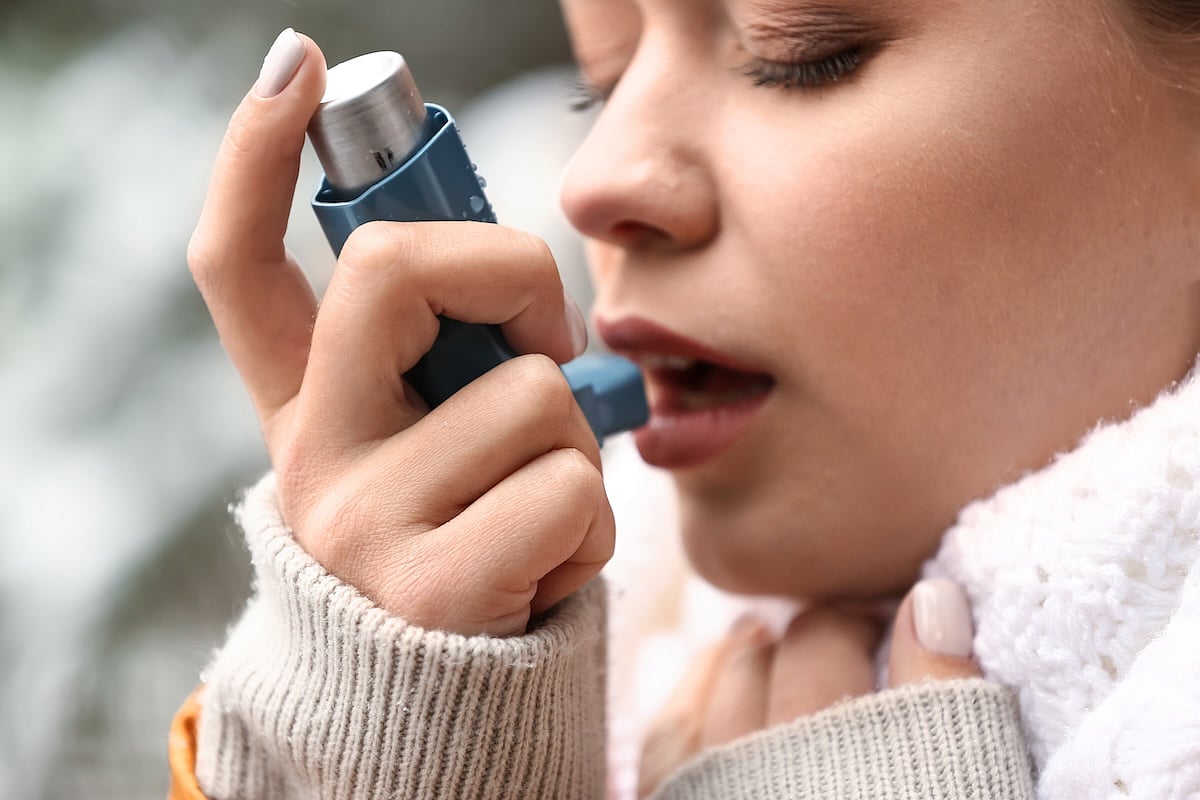
Severe asthma attacks can be cut in half among teens with excess weight by taking cutting-edge weight-loss drugs like Ozempic and Zepbound, a new study says.
Half as many teens needed asthma treatment at an emergency room if they were on a GLP-1 drug, researchers reported Dec. 29 in JAMA Network Open.
“Our findings suggest a potential dual benefit for this population, where a single class of medication could address both weight management and lower risk for asthma exacerbation, thereby potentially reducing the burden of two common and interconnected chronic conditions,” concluded the research team led by Dr. Lin-Shien Fu, chief of pediatric nephrology and immunology at Taichung Veterans General Hospital in Taiwan.
For the study, researchers tracked 1,070 kids aged 12 to 18 who were overweight or obese and also had a diagnosis of asthma. Half had been prescribed a GLP-1 drug.
Glucagon-like peptide-1 (GLP-1) drugs mimic the GLP-1 hormone, which helps control insulin and blood sugar levels, decreases appetite and slows digestion of food.
During 12 months of follow-up, there were eight asthma-related ER visits among kids on a GLP-1 drug, versus 19 for those not taking a weight-loss drug, results showed.
Teens taking a GLP-1 drug also were less likely to take steroids to manage their asthma, 21% versus 31%, and less likely to need a rescue inhaler, 32% versus 45%.
Weight loss among the kids likely contributed to this improvement in their asthma, said Dr. Michelle Katzow, medical director of POWER Kids Weight Management Program and associate professor of pediatrics at Cohen Children’s Medical Center in New York City.
"I think it is not surprising and not so new, except for the degree of weight loss that the drug induces is so much bigger in magnitude than we've seen before," Katzow, who was not involved in the research, said in a news release.
Obesity contributes to inflammation in a person’s body, which in turn can make asthma attacks more likely, she said.
“The sort of inflammation associated with obesity predisposes somebody to having worse asthma or worse symptoms of asthma,” Katzow said.
“If you can help people lose enough weight by whatever means, then you can improve their asthma severity,” she added.
Katzow said the best role for medications like these is helping folks who have trouble adopting healthy behaviors because their appetite is so big.
“And that's true for a lot of kids," she said. "They’re just really hungry and they're thinking about food a lot. Trying to make healthier choices or eat less is really hard to do if you're hungry all the time."
More Information
UCLA has more on GLP-1 drugs and children.
SOURCES: JAMA Network Open, Dec. 29, 2025; Northwell Health, news release, Dec. 29, 2025


